


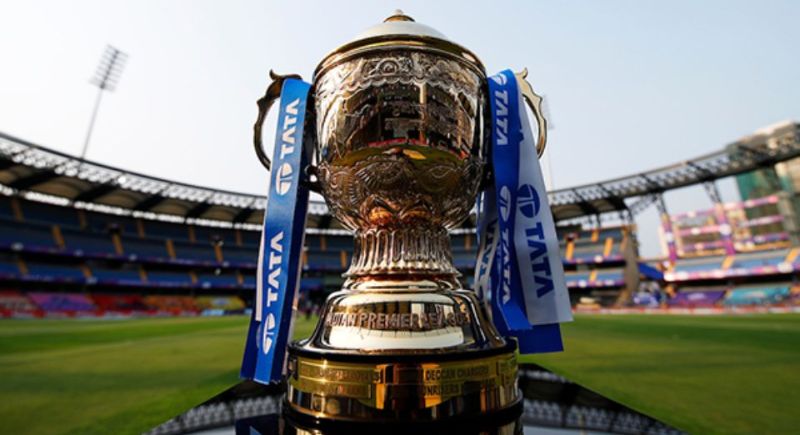
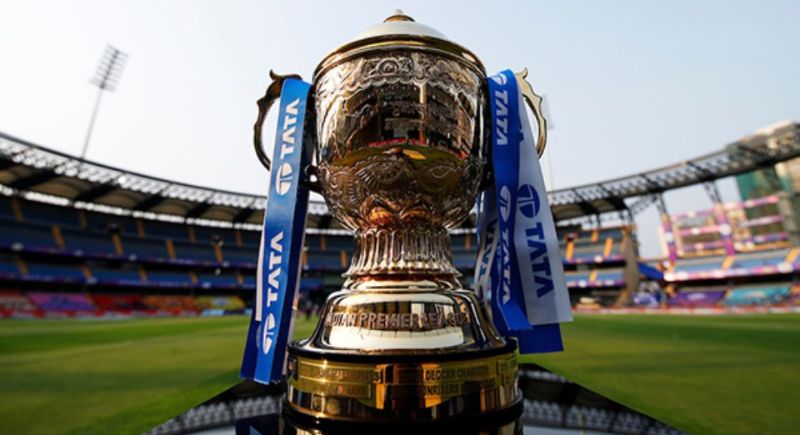
Indian Premier League (IPL), now in its 19th edition in 2026, has become one of the most famous sporting events in the world. What started as a bold experiment in 2008 has grown into a global cricket powerhouse that seamlessly blends sports and entertainment. Today, it is one of the most valuable sports leagues, known for its high-scoring matches, elite professionalism and huge global fan base.
Structure of IPL:
The IPL began in 2008 with eight franchises, including Chennai Super Kings, Mumbai Indians, Deccan Chargers, Kings XI Punjab, Kolkata Knight Riders, Rajasthan Royals, Royal Challengers Bangalore and Delhi Daredevils. The inaugural season featured 59 matches played over approximately six weeks.
As of 2026, the tournament has expanded to 10 teams with the addition of Gujarat Titans and Lucknow Super Giants. The number of matches has increased to 74 in about two months. Looking ahead, there are discussions about expanding to over 90 matches and potentially extending the tournament window even longer, reflecting its growing scale and popularity.
IPL rules:
The IPL has also seen significant innovation in its format. Initially, it followed a traditional structure where the top four teams advanced to the semi-finals. However, starting in 2011, the league adopted a unique playoff system. The top two teams compete in Qualifier 1, with the winner advancing directly to the final. The loser gets another chance through Qualifier 2, to face the winner of the Eliminator (played between the third and fourth placed teams). This format rewards consistency during the league stage.
Another major innovation is the “Impact Player” rule, which allows teams to substitute a player during a match. This tactical addition has added a new strategic layer, enabling teams to adapt depending on match conditions, whether strengthening the batting or bowling.
Economics of IPL:
The financial growth of IPL has been extraordinary. From relatively modest beginnings, it has grown into a multi-billion dollar enterprise worth approximately US$18 billion. Media rights have been a major driver of this growth. In 2008, broadcast rights were sold for approximately US$918 million, while the 2023–2027 cycle fetched a staggering US$6.2 billion.
Franchise revenues have also increased significantly. Leading teams now generate annual revenues in the range of Rs 650-700 crore by 2025. Franchise valuations have also skyrocketed, with teams like Royal Challengers Bangalore and Rajasthan Royals recently involved in high-value ownership deals.
Players' salaries have increased dramatically, reflecting the financial strength of the league. Star players get record-breaking contracts, with Rishabh Pant becoming the most expensive player in IPL history after being bought for Rs 27 crore in the 2025 mega auction. Cameron Green holds the record for the highest bid among foreign players.
Global reach of IPL:
From a domestic T20 league, the IPL has become a global spectacle. In its early years, viewership was largely concentrated in India. Today, it attracts over a billion viewers worldwide on television and digital platforms. The league is broadcast on multiple platforms, including digital streaming for television audiences through apps such as Star Sports and JioHotstar. Internationally, various broadcasters ensure that fans across continents can follow the live action.
The IPL has also become a launchpad for international talent and a benchmark for other T20 leagues. The blend of cricketing excellence and business innovation has set new standards in global sports.
Summary:
| Description | 2008 (inaugural edition) | 2026 (current version) |
| Team | 08 | 10 |
| matches played | 59 | 74 |
| main rules | 11 players | 12 players (impact players) |
| media rights | 918 million (approximately) | 6.2 billion (approximately) [2023 to 2027]) |
| scoring range | 200s (rare) | 200 to 250 (normal) |
| number of viewers | high in india | 1 billion+ in global |
| league value | a few hundred million (approximately) | 18.5 billion (approximately) |

Leave a Reply